The Film
Synopsis
After the unexplained disappearance of Chicago, a federal cartographer is sent to the edge of the restricted zone.
There, she discovers impossible roads, video signals coming from nowhere, and a survivor who claims to have returned from the city.
But Chicago was not destroyed. It was taken.
Recovered Stills from the original planned release
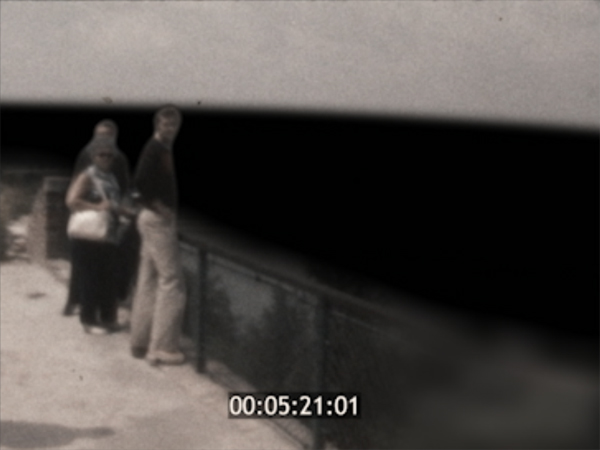
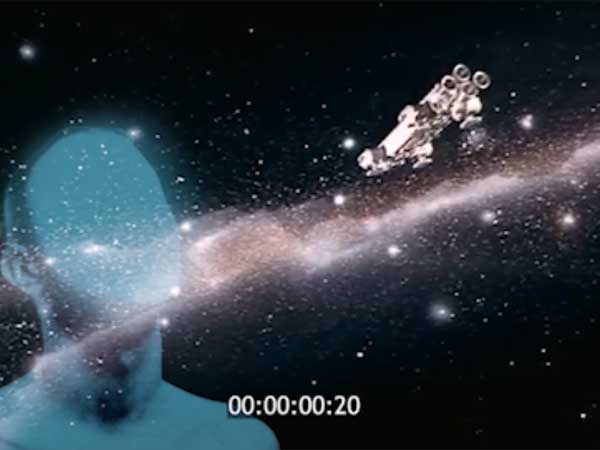
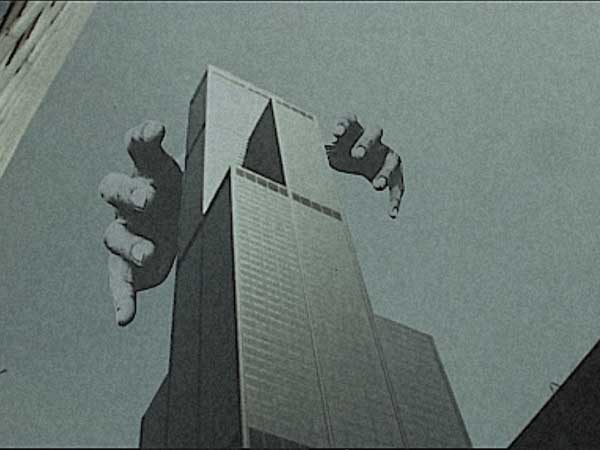
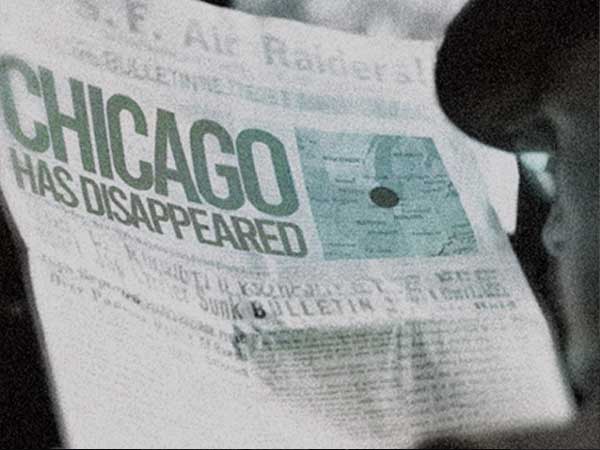
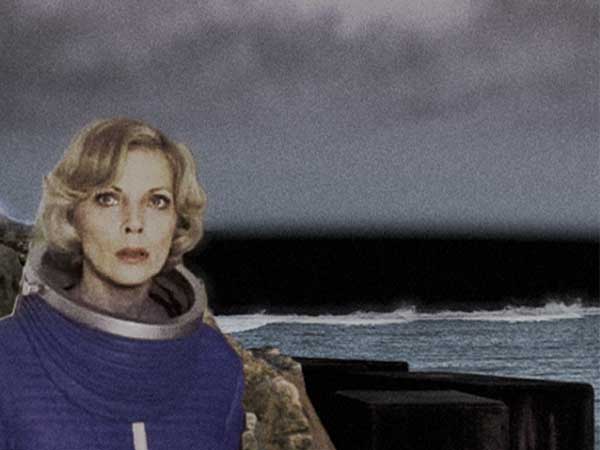
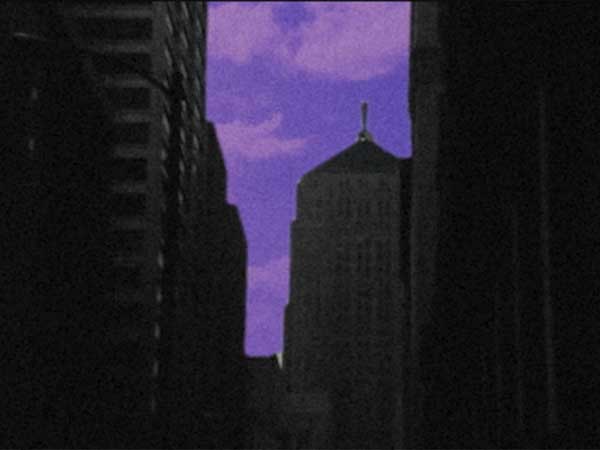
Director's Notes
“I did not want to make a film about an invasion. I wanted to make a film about absence. The terrifying idea was not that something had arrived from somewhere else, but that something had learned how to remove a place from reality without leaving a wound.”
First, They Took Chicago was conceived as a science-fiction film without conquest, explosions or visible armies. Its horror comes from the instability of familiar spaces: highways that no longer lead anywhere, hotel corridors that repeat themselves, television signals that preserve images no one remembers recording.
The character of Dr. June Marlowe, a federal cartographer, was written as someone whose profession depends on order, measurement and borders. By sending her toward a city that refuses to be mapped, the film turns geography into trauma. Chicago becomes both a missing place and an open psychological wound.
The visual direction goal was to make the American Midwest feel like a laboratory: empty roads, sodium lights, blank skies, and the sense that ordinary architecture had begun to imitate human thought.
Notes From The Production Regarding The Theatrical Release Cancellation Of 1979
The theatrical release of First, They Took Chicago, initially scheduled for Fall 1979, was suspended two weeks before distribution. Officially, Midwest Astral Pictures cited “technical issues with final exhibition prints” and “unresolved regional concerns.”
Surviving production notes suggest a more complicated situation. Several preview screenings reportedly ended early after projection failures, audio desynchronization and repeated complaints of a low-frequency signal audible beneath the final reel. In at least three reports, theater staff described audience members leaving before the credits, claiming they had been feeling strange during the screening.
The studio denied any connection between the film and the situation in Metamora. However, all promotional material mentioning the October 1979 theatrical run was withdrawn, and the remaining prints were moved to storage under the supervision of REDACTED.
RELEASE STATUS: CANCELLED
PRINT STATUS: UNVERIFIED
BROADCAST STATUS: PROHIBITED
HOME VIDEO STATUS: LIMITED / UNAUTHORIZED